Hand holding model house with EPC ratings

Sensor technology

Renatus employs a whole-house, data-driven approach to ensure that every retrofit project delivers maximum energy efficiency, long-term value, and meaningful improvements to resident wellbeing. By leveraging detailed analysis, we can support social housing providers in making informed investment decisions that align with both regulatory goals and resident needs.

To minimise disruption, a phased retrofit delivery model is adopted, enabling works to be planned and delivered in stages that correspond with funding availability, tenancy turnover, and the condition of the housing stock. The first stage is the survey and assessment stage where in-person surveys and the use of sensor technology is utilised to accurately assess the performance of a property. The use of sensors is critical to provide a data-driven approach to retrofitting the right solutions. 
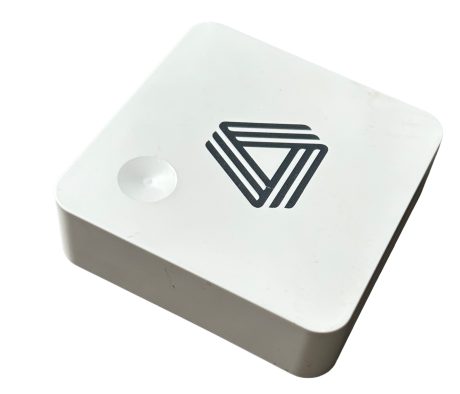
Sensor for retrofit
Renatus icon

Temperature sensors

Temperature sensors discreetly monitor and record the ambient and surface temperatures of a building’s interior at regular intervals. By capturing real-time temperature data, these devices build a detailed thermal profile of the home. The continuous stream of temperature readings highlights areas of excessive heat loss, identifies cold spots, and draughts, and gauges the effectiveness of existing insulation and heating systems.

During the Renatus survey and assessment process, sensors are strategically placed in key locations to gather a representative dataset over several days and weeks. Our team then interprets the data alongside the physical inspection findings to pinpoint where the property is underperforming and design an efficient retrofit solution. 

Humidity sensors

Humidity sensors measure the moisture content in the air within a building by recording humidity levels. They provide insights into air dryness or excess moisture, pinpointing areas prone to condensation or mould growth. This real-time data clarifies how humidity fluctuates with daily activities and weather conditions, ensuring a complete picture of indoor air quality.

In the Renatus survey and assessment process, humidity sensors are installed to capture representative readings over several days. By correlating humidity data with temperature data and the findings from the in-person survey, the Renatus team is able to recommend targeted interventions—from improving ventilation systems and sealing leaks to upgrading insulation and installing damp-proofing measures. These insights drive a holistic retrofit plan, ensuring the home achieves at least an EPC C rating and maintains healthy indoor conditions.

Red background

Working with LJMU

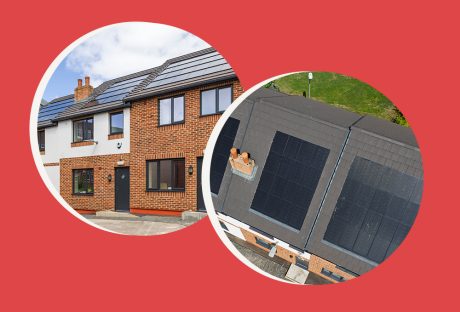
wienerberger has partnered with Liverpool John Moores University to rigorously evaluate three on-campus properties retrofitted using our Renatus methodology. Over the coming months, LJMU researchers will capture detailed performance data—tracking energy consumption patterns, thermal comfort levels and indoor air quality. By combining real-world monitoring with predictive modelling, this collaboration will not only validate the technical benefits of our retrofit solutions but also generate actionable insights to optimise future projects.

Want to kickstart your next retrofit project? Contact us now.